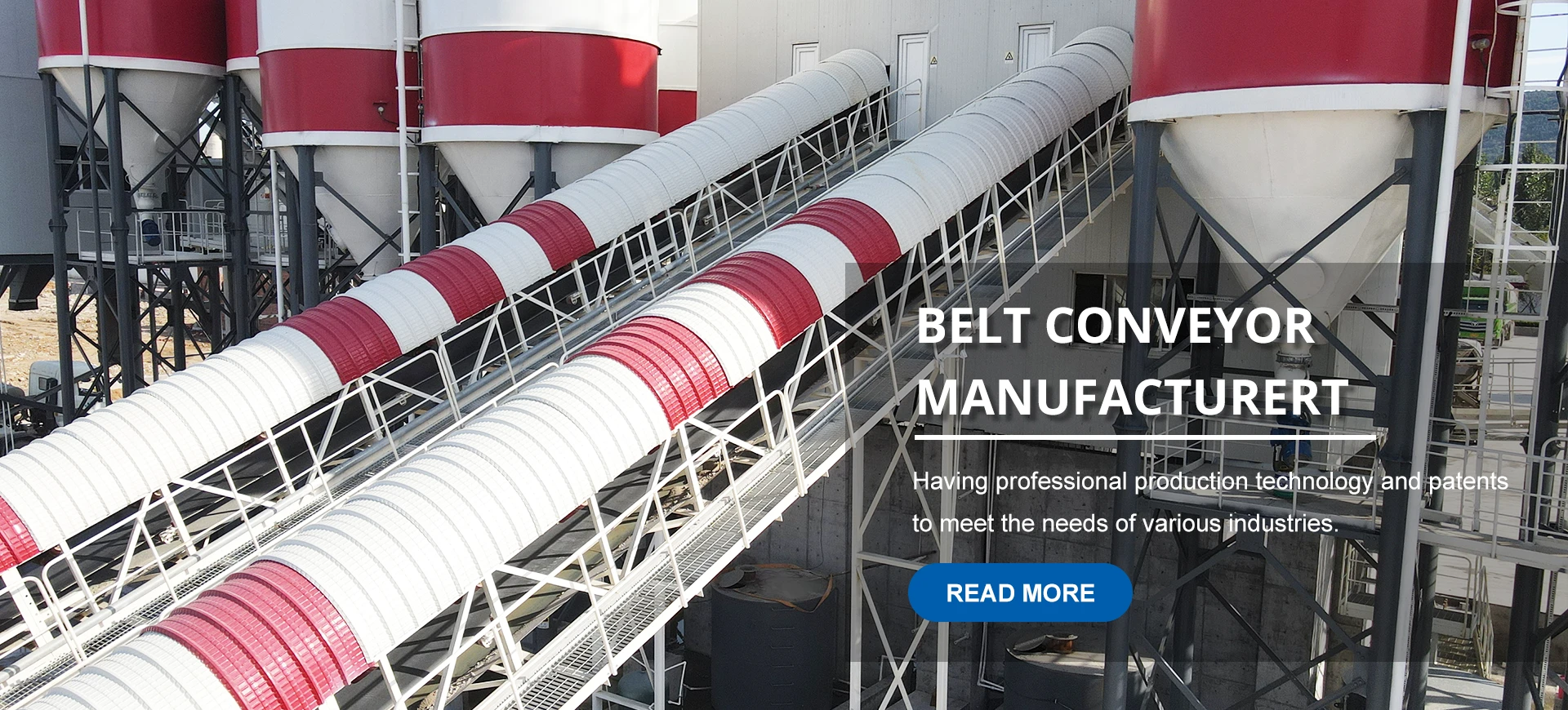
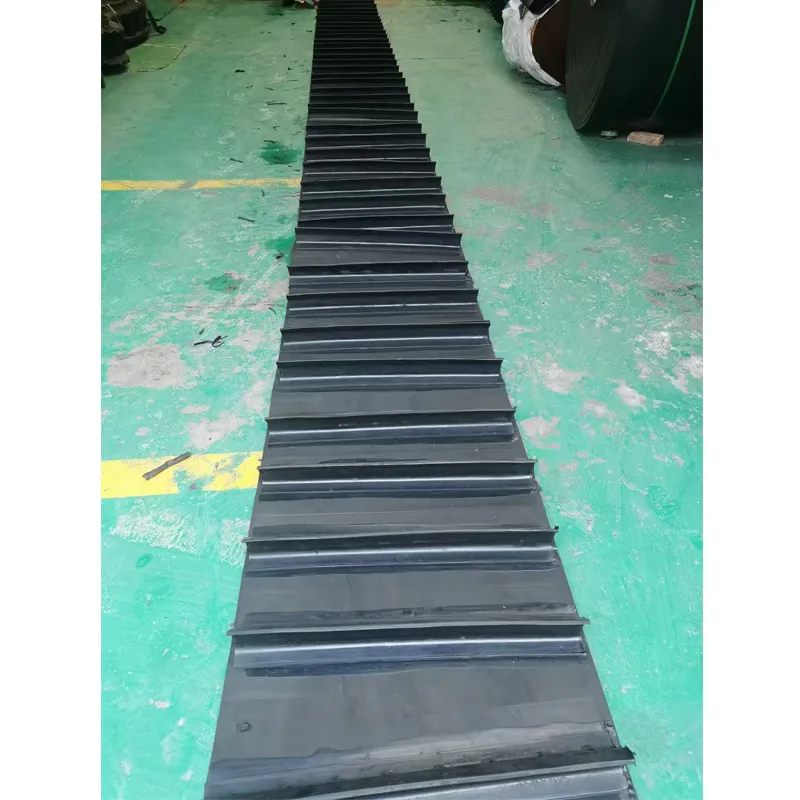
A conveyor belt is a fundamental part of material handling systems across almost every industry. From mining and agriculture to packaging and logistics, conveyor belts improve efficiency, reduce manual labor, and move goods reliably and continuously. But with multiple conveyor belt types on the market, selecting the right one depends on what you're moving, where, and under what conditions. Whether you're looking for a conveyor belt for sale , evaluating a rubber conveyor belt for a high-load application, or sourcing the right belt for a new production line, this guide covers everything you need to make a smart purchasing decision. What Is a Conveyor Belt? A conveyor belt is a moving surface made of rubber, plastic, fabric, or metal, typically looped over rollers or pulleys. It’s used to transport materials or products from one point to another—horizontally, vertically, or at an incline. Conveyor belts are widely used in: Mining and quarrying Food and beverage processing Warehousing and logistics Agriculture and grain handling Manufacturing and assembly lines Airports and baggage handling Recycling and bulk material systems Conveyor Belt Types Choosing the right belt means understanding the material, surface texture, strength, and application requirements. Here are the main conveyor belt types : 1. Flat Belt Conveyor The most common type Suitable for transporting light to medium loads Used in manufacturing, packaging, and food handling Can be made of rubber, PVC, or fabric 2. Modular Plastic Belt Conveyor Interlocking plastic segments Washable and food-safe Excellent for clean environments (food, pharma, etc.) Resistant to chemicals and corrosion 3. Cleated Conveyor Belt Features vertical cleats or ribs to prevent product rollback Ideal for inclined transport Used for powders, granules, or loose materials 4. Timing Belt Conveyor Toothed belt for precise, synchronized movement Common in assembly or pick-and-place systems Ideal when belt tracking and positioning are critical 5. Wire Mesh Belt Conveyor Metal mesh surface, great for hot, oily, or wet environments Used in baking, parts washing, and cooling systems Durable but less flexible 6. Incline and Decline Conveyor Belts Engineered for angled transport Often include high-friction or cleated belts 7. Rubber Conveyor Belt Heavy-duty and abrasion-resistant Ideal for mining, agriculture, and industrial uses Can handle bulk materials like coal, rocks, sand, or fertilizer Rubber Conveyor Belts: Heavy-Duty and Versatile A rubber conveyor belt is widely used in industries that require strength, flexibility, and durability under tough conditions. It's reinforced with fabric or steel cords and often comes with different surface coatings or patterns for enhanced grip and wear resistance. Key features include: High load capacity Heat and oil resistance Cut and impact resistance Suitable for both indoor and outdoor use Available in smooth, rough top, chevron, or cleated styles Rubber belts are typically used in: Mining and aggregate transport Cement plants Grain elevators and silos Heavy industrial production lines Wood, paper, and pulp mills Conveyor Belt Material Options Material Properties Applications Rubber Durable, heavy-duty, abrasion-resistant Mining, agriculture, heavy industry PVC/PU Lightweight, food-grade, smooth or textured Food, pharma, packaging Fabric Flexible, low-cost, moderate strength General transport Metal Heat and corrosion resistant, strong Baking, cooling, chemical handling Plastic Modular, washable, customizable shapes Food processing, clean rooms Conveyor Belt for Sale: What to Consider Before Buying When browsing a conveyor belt for sale , consider: Belt width and length – Matches your system’s layout Load capacity – Ensure the belt can handle your heaviest loads Speed and incline requirements – For systems that move at angles or high speeds Environmental exposure – Heat, chemicals, oil, moisture, or abrasive particles Joint type – Endless, mechanical fasteners, or vulcanized joints Customization needs – Cleats, sidewalls, patterns, or perforation Maintenance and replacement cycle – Durability, belt tracking, and ease of cleaning For industrial systems, it’s common to consult with a conveyor engineer or belt supplier to determine the exact specification needed. Conveyor Belt Pricing (2025 Estimates) Belt Type Width × Length Price Range (USD) Light-duty PVC belt 500mm × 10m $80 – $180 Modular plastic belt 600mm × 5m $100 – $250 Rubber conveyor belt 800mm × 20m $300 – $800+ Cleated rubber belt 500mm × 15m $250 – $600 Steel cord belt (heavy-duty) Custom sizes $500 – $1,500+ Wire mesh belt 600mm × 10m $300 – $900 Prices vary based on material grade, strength rating, country of origin, and whether the belt includes customization (sidewalls, cleats, tracking strips, etc.). Conveyor Belt FAQs Q1: What’s the best conveyor belt type for high-temperature environments? A: Metal mesh belts or heat-resistant rubber belts are ideal for ovens, drying systems, or foundries. Q2: Can I use the same conveyor belt for food and industrial materials? A: No. Food-grade belts (usually PU or PVC) are specifically designed to meet hygiene standards. Rubber belts are often not food-safe and may contain oils or dyes. Q3: What’s the lifespan of a rubber conveyor belt? A: It depends on usage, but in heavy industry, rubber belts typically last 3–5 years with proper maintenance. High-wear areas may require replacement sooner. Q4: How do I buy a conveyor belt in bulk or for a new facility? A: Contact a belt manufacturer or authorized distributor. Provide specifications like width, length, tension, load type, and material. Many suppliers also offer installation and system design services. Q5: Are there eco-friendly conveyor belts? A: Yes. Some belts are made with recyclable or biodegradable materials and meet environmental compliance standards, especially for food and consumer goods industries.